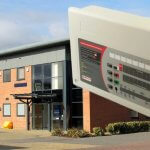

Ilkley Commercial Fire Alarm Systems –
Ilkley’s commercial landscape is defined by independent retailers, professional services, hospitality venues and premium office spaces. In these environments, fire safety must be delivered without compromising presentation, customer experience or day-to-day operations. Fire alarm systems therefore need to be carefully designed to provide reliable detection while remaining as unobtrusive as possible within the building.
For commercial premises in Ilkley, fire alarm systems are not simply about meeting regulatory requirements. They play a direct role in protecting staff, customers and business continuity. Early detection is critical, particularly in environments where buildings may be occupied by members of the public during the day and left unattended overnight. Automatic detection ensures that any fire is identified quickly, allowing a response to be initiated before significant damage occurs.
Retail and hospitality venues are among the most common commercial settings in Ilkley. These businesses often operate in open-plan environments with frequent layout changes and high levels of customer interaction. Fire alarm systems must therefore be adaptable, ensuring consistent detection coverage even as the internal layout evolves. Smoke detectors are typically used in public areas to provide early warning, while heat detectors are installed in kitchens or service areas where smoke detection may lead to false alarms.
Hotels and guest accommodation require a higher level of protection due to the presence of sleeping occupants. In these environments, fire alarm systems must provide comprehensive coverage across bedrooms, corridors and communal areas. Addressable systems are commonly used because they allow staff to identify the exact location of an activation, enabling a faster and more controlled response.
Office environments in Ilkley, while generally lower risk, still require reliable fire detection. Electrical equipment, paper storage and furnishings all contribute to potential fire hazards. Smoke detection ensures that fires can be identified quickly, even outside normal working hours when the building may be unoccupied.
One of the key challenges in Ilkley is the number of businesses operating within older or character buildings. These properties may have unique layouts, including narrow corridors, multiple levels or limited ceiling voids. Fire alarm systems must be designed to work within these constraints while still providing full coverage. Discreet detection devices and carefully planned cabling routes help maintain the appearance of the building without compromising safety.
Audibility is a critical element of fire alarm performance. Alarm sounders must be clearly heard throughout the premises, including in areas with background noise. In customer-facing environments, sound levels must be sufficient to alert occupants without causing unnecessary disruption during testing or false alarms. Visual alarm devices may also be required in certain settings to ensure all occupants are alerted effectively.
Integration with other building systems enhances overall fire safety. Fire alarms can be linked to door release systems, access control and ventilation systems. When an alarm is triggered, doors can automatically unlock, and ventilation systems can shut down to prevent the spread of smoke.
Maintenance is essential to ensure the system remains reliable. Weekly testing by the responsible person confirms that the system is functioning correctly, while regular servicing by a qualified engineer ensures all components remain in good working order. Accurate records of testing and maintenance should be maintained as part of the building’s fire safety documentation.
False alarms can have a significant impact on businesses, particularly in customer-facing environments. Frequent unwanted activations can disrupt operations and affect customer experience. Proper system design, appropriate detector selection and regular maintenance all help reduce the likelihood of false alarms.
For Ilkley businesses, fire alarm systems must deliver a combination of reliability, discretion and flexibility. When designed correctly, they provide early detection and effective warning while fitting seamlessly into the building. As part of a wider fire safety strategy, they help protect people, property and reputation.